
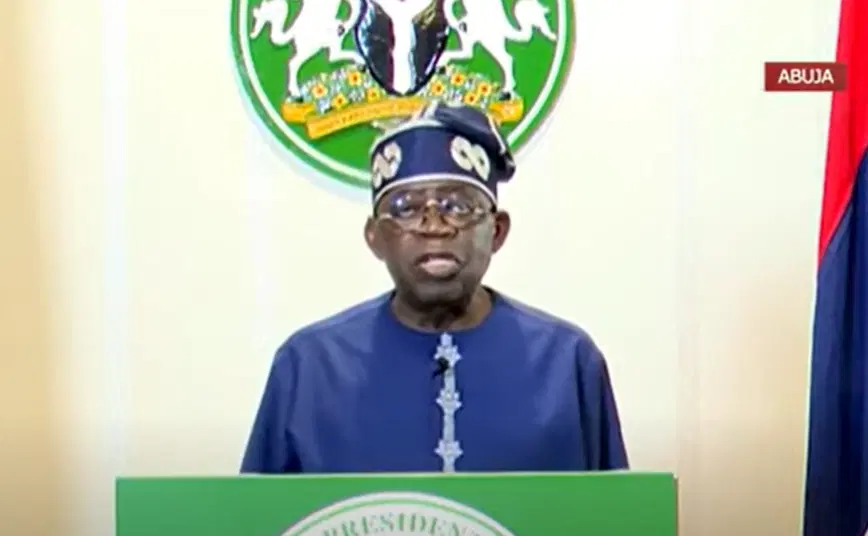
In his Independence Day broadcast on October 1, 2024, President Bola Tinubu outlined his administration’s commitment to retooling Nigeria’s economy to ensure it serves the needs of its citizens more effectively. He emphasized the importance of addressing fiscal misalignments that have contributed to the current economic challenges, warning that failing to do so could lead the country into an uncertain future fraught with severe consequences.
Tinubu highlighted the positive impact of recent reforms, noting that Nigeria attracted over $30 billion in foreign direct investments over the past year. “Our administration is committed to free enterprise, free entry, and free exit in investments while maintaining the sanctity and efficacy of our regulatory processes,” he stated.
He discussed the ongoing divestment transactions in the upstream petroleum sector, specifically mentioning the imminent ministerial approval for the ExxonMobil-Seplat divestment, which has already received regulatory clearance in accordance with the Petroleum Industry Act (PIA). Tinubu believes that such initiatives will invigorate the sector and enhance oil and gas production, ultimately benefiting the economy.
The President also pointed to the Central Bank’s disciplined approach to monetary policy management, which he claims has contributed to stability and predictability in Nigeria’s foreign exchange market. He noted that since taking office, his administration inherited foreign reserves of over $33 billion and has managed to pay off a $7 billion forex backlog. Furthermore, he announced that the government has cleared over ₦30 trillion in ways and means debt and successfully reduced the debt service ratio from 97% to 68%. Despite these challenges, Tinubu affirmed that the country has maintained foreign reserves of $37 billion and continues to meet its financial obligations.
To further stimulate economic growth and job creation, the Federal Executive Council has approved the Economic Stabilization Bills, which will soon be presented to the National Assembly. Tinubu described these transformative bills as crucial for creating a more business-friendly environment, encouraging investment, and alleviating the tax burden on both businesses and workers once they are enacted into law.
In summary, President Tinubu’s address highlighted his administration’s proactive measures to reform Nigeria’s economy, address fiscal challenges, and create a more favorable environment for investment and growth, ultimately aiming to enhance the livelihoods of Nigerians.