
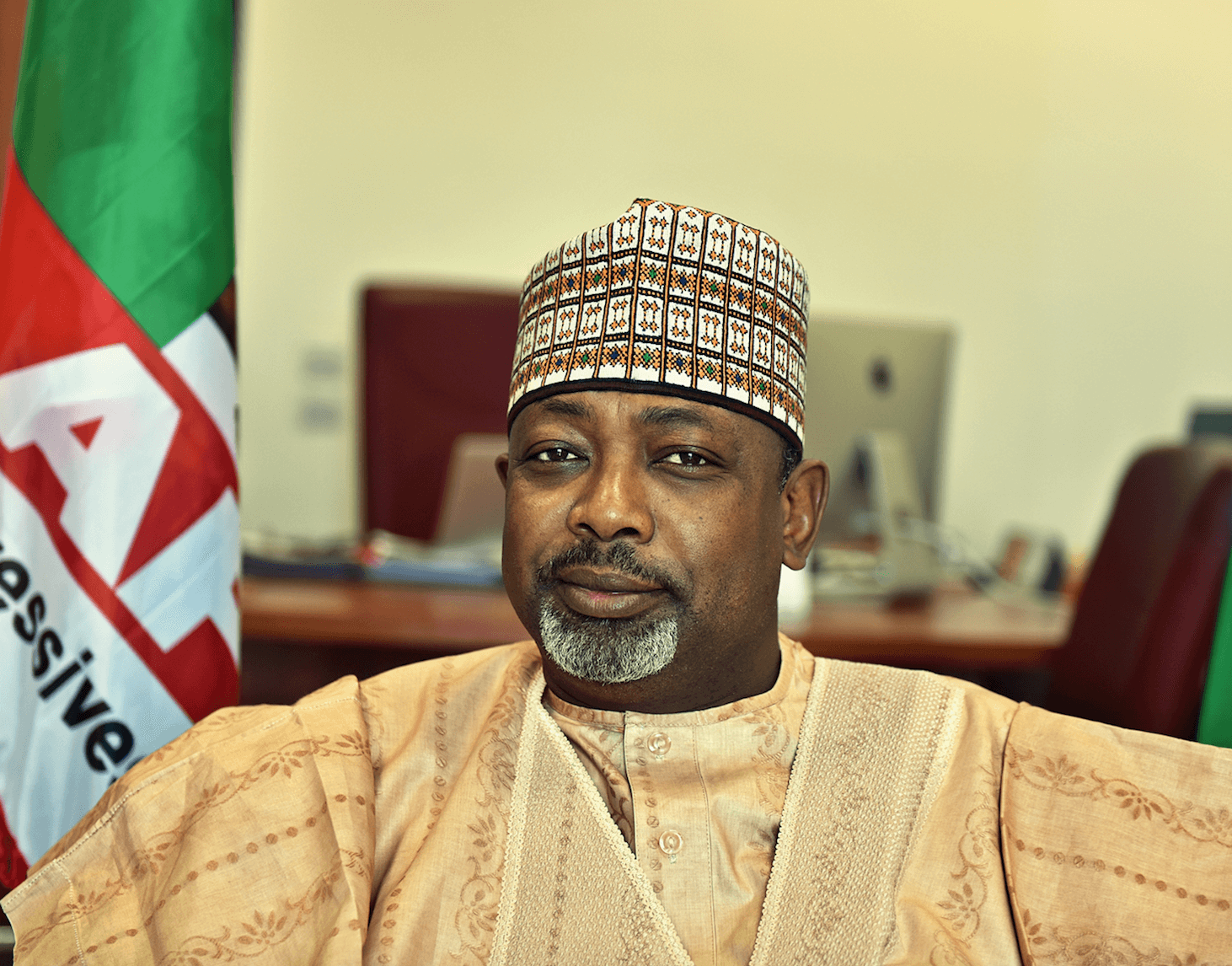
The Minister of Agriculture and Food Security, Abubakar Kyari, has emphasized the critical role of private sector innovation in advancing agricultural development and transforming Nigeria’s economy. Speaking at the Stanbic IBTC Breakfast Summit in Abuja on Thursday, Kyari urged stronger collaboration between the public and private sectors to leverage technology and innovation in agro-processing for sustainable economic growth.
The summit, themed “Driving Economic Transformation through Agro-processing: Building a Sustainable Future,” aligns with President Bola Tinubu’s declaration of a state of emergency on food security under the Renewed Hope Agenda. This agenda aims to ignite an agricultural revolution as part of the government’s strategy to diversify the economy and reduce reliance on oil revenues.
Kyari highlighted the growing significance of agriculture in trade and investment, particularly as oil prices continue to decline. “It is encouraging that agriculture is becoming a key focus across trade and investment circles,” he remarked, underscoring the sector’s potential to drive economic transformation.
The minister emphasized the need for private sector leadership in agriculture, stating that the government’s role is to create an enabling environment. “Agriculture must be seen as a business and a haven for investment,” Kyari asserted, calling for the integration of food production, storage, processing, and industrial manufacturing to strengthen the agricultural commodity value chain.
Kyari also stressed the importance of reducing post-harvest losses and increasing value addition in agriculture to achieve food security and wealth creation. He urged stakeholders to adopt appropriate technology to enhance agro-processing and boost the quality of agricultural produce for both local and international markets.
Stanbic IBTC CEO, Wole Adeniyi, echoed these sentiments, highlighting the essential role of agro-processing in Nigeria’s development. “Agriculture significantly contributes to the nation’s GDP and provides livelihoods for millions,” Adeniyi said, pointing to a substantial gap in tomato production as an example of the challenges facing the sector. He noted that demand for tomatoes stands at 2.2 million tonnes, while production is only 1.5 million tonnes, largely due to adverse weather conditions and harvest issues.
Adeniyi also highlighted the $182 billion financing gap in Nigeria’s agricultural sector, assuring attendees that Stanbic IBTC is committed to supporting agro-processors by providing financing for machinery and reducing procurement losses. He concluded by urging stakeholders to collaborate in order to drive growth and create a more sustainable agricultural economy.
The summit served as a key platform for discussions on how private sector-led initiatives can transform Nigeria’s agricultural landscape, with the ultimate goal of building a robust and sustainable agribusiness economy.