
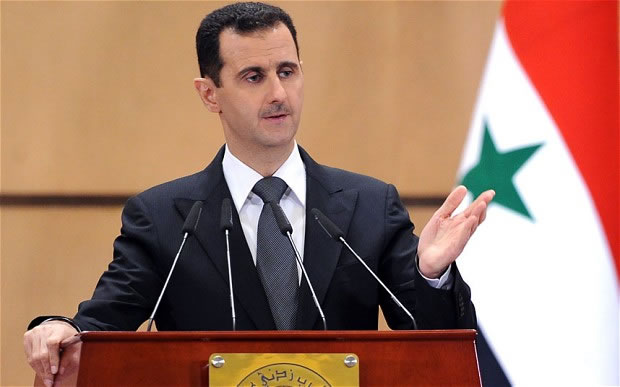
Syrian President Bashar al-Assad is rallying support from allies after a shocking rebel offensive led to the loss of government control over Aleppo for the first time since the Syrian civil war began in 2011.
The Islamist-dominated Hayat Tahrir al-Sham (HTS) and allied factions now hold most of Aleppo, save for Kurdish-controlled neighborhoods, marking a major blow to Assad’s regime. The Syrian Observatory for Human Rights confirmed the development, stating Aleppo’s fall represents an unprecedented setback for the government.
In response, Assad met with Iranian Foreign Minister Abbas Araghchi in Damascus. Iran reaffirmed its unwavering support, with Araghchi pledging further assistance to Syria’s government and army. Assad emphasized the critical role of allies in countering “foreign-backed terrorist attacks.”
Meanwhile, Syrian and Russian airstrikes have targeted rebel positions across Aleppo and Idlib provinces, reportedly killing dozens, including civilians. Russia’s military declared it was aiding Syria in “repelling terrorist aggression,” while images from the ground reveal devastating scenes of destruction and mourning.
The rebel offensive has led to over 400 deaths, predominantly combatants, though civilians are among the casualties. Despite the government’s efforts to fortify positions in Hama and deploy reinforcements, analysts suggest Aleppo’s loss underscores the regime’s fragility.
International actors, including the United States and European powers, have called for de-escalation and renewed efforts toward a political solution under UN Security Council Resolution 2254. However, the escalating violence raises concerns over regional stability, with UN envoy Geir Pedersen warning of severe risks to civilians and broader peace.
The ongoing crisis in Syria highlights the enduring complexity of the conflict, with rebel advances, Kurdish-Turkish clashes, and the uncertain role of external powers shaping the country’s troubled future.