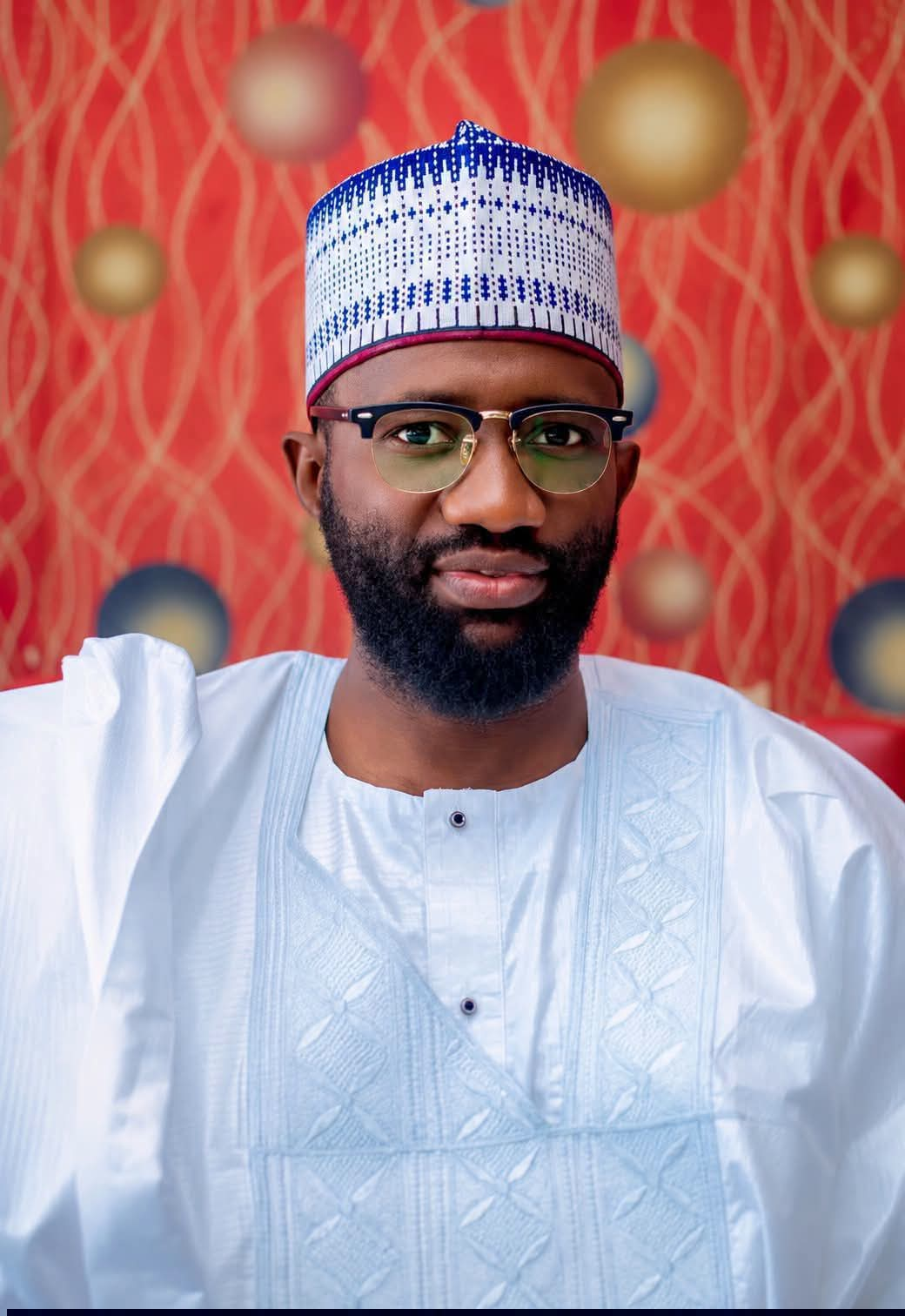
Renowned politician, development advocate and grassroots mobiliser, Dr. Nafiu Sankara, has declared that his decision to contest for the Kano Central Senatorial seat under the platform of the People’s Democratic Party (PDP) is driven by a commitment to responsive leadership, people-centred development and a burning desire to restore hope among the people of the Senatorial District.
Dr. Sankara made the disclosure during a media parley in Abuja following a courtesy visit by a group of journalists, where he spoke extensively on his vision for Kano Central, the reasons behind his senatorial ambition and the growing clamour for a new generation of leadership in the district.
As political activities begin to gather momentum ahead of the next election cycle, a quiet political realignment appears to be unfolding across Kano Central. Political observers and stakeholders within the district say Dr. Sankara’s candidacy is increasingly attracting attention beyond traditional party lines, with supporters from both the APC and the NDC beginning to openly and privately identify with his campaign message.
The development comes as Dr. Sankara prepares to challenge two of Kano’s most prominent political figures, former Kano State Governor, Mallam Ibrahim Shekarau, and former Deputy Governor of Kano State and former APC governorship candidate, Dr. Nasiru Yusuf Gawuna.
While both men remain influential figures within Kano politics, conversations within political circles suggest that a growing number of their supporters are becoming attracted to Dr. Sankara’s youthful outlook, grassroots appeal and development-focused agenda.
According to several stakeholders, many of these supporters believe Kano Central has reached a critical point where leadership should be determined not only by political experience but also by fresh ideas, accessibility, innovation and the capacity to connect with the aspirations of a younger population.
For many residents, Dr. Sankara represents a new breed of politician capable of providing the kind of representation they believe has become increasingly necessary in a rapidly changing political and economic environment. His growing acceptance among young voters, professionals, women and community leaders has further fuelled discussions about a possible generational shift in Kano Central politics.
Addressing the visiting journalists, Dr. Sankara said one of the principal reasons he is seeking election into the Senate is the need to provide effective representation for the people of Kano Central.
“The Senate is not merely a law-making institution; it is a platform where the aspirations, concerns and expectations of the people must be vigorously defended. I am contesting because our Senatorial District deserves a stronger voice and a more effective representation that will place the interests of the people above every other consideration,” he stated.
He maintained that meaningful representation requires more than participation in legislative proceedings, stressing that elected leaders must remain in constant touch with the communities they serve.
According to him, regular consultations with traditional rulers, community leaders, youth organisations, women groups and professional associations would form a major part of his approach to governance if elected.
Dr. Sankara also highlighted youth empowerment and job creation as key priorities of his campaign, expressing concern over the growing number of talented young people struggling with unemployment and limited economic opportunities.
“Our youths possess the creativity, energy and capacity to transform society. What they require is access to opportunities, support and enabling policies that will allow them to realise their dreams. We cannot continue to allow talented young men and women to remain idle while the economy suffers from a shortage of innovation and productivity,” he said.
He explained that his legislative agenda would focus on promoting entrepreneurship, vocational development, modern agriculture, digital innovation and small business growth as tools for creating sustainable employment and economic prosperity.
The PDP hopeful further identified infrastructure development as a fundamental requirement for progress within the Senatorial District.
He expressed concern about deficiencies in road infrastructure, healthcare delivery, education facilities and access to electricity in many communities.
“A community without motorable roads, quality healthcare services, functional schools and reliable electricity cannot unlock its full potential. Development requires deliberate investment in infrastructure, and this remains one of the priorities that I intend to pursue aggressively if given the mandate to serve,” he said.
According to him, investment in infrastructure remains one of the surest ways to stimulate economic activities, attract investors and improve the quality of life of citizens.
Dr. Sankara also stressed the importance of restoring public confidence in leadership and governance.
He observed that many citizens have become frustrated by years of unfulfilled promises and political disengagement, adding that the restoration of trust between leaders and the people remains essential to democratic progress.
“Politics should be about serving the people and improving lives. Citizens deserve leaders who are honest, transparent, accessible and accountable. One of my motivations for contesting is to help restore faith in public leadership through actions that reflect integrity and commitment to the common good,” he said.
He promised to champion transparency, accountability and prudent management of public resources while ensuring that government interventions directly benefit the people of Kano Central.
As the discussion concluded, Dr. Sankara reiterated that his senatorial ambition is rooted in service rather than personal ambition.
“This aspiration is not about personal ambition. It is about the future of our people. It is about restoring hope, creating opportunities, strengthening representation and ensuring that every community within our Senatorial District feels the impact of good governance,” he concluded.
With the political atmosphere gradually taking shape, many observers believe the Kano Central contest is evolving beyond a conventional party contest. To a growing number of voters, it is increasingly becoming a conversation about generational change, fresh leadership and a new political direction. Whether that sentiment ultimately translates into votes remains to be seen, but one thing is becoming increasingly clear: the Sankara movement is growing, and it is drawing attention from far beyond the traditional boundaries of party politics.