
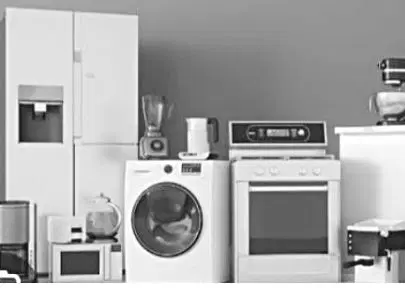
The increasing costs associated with prepaid electricity meters have led many Nigerians to significantly reduce their use of electrical appliances in a bid to save money. Appliances like electric stoves, blenders, washing machines, and air conditioners, which were once staples in many homes, are now being abandoned as consumers try to curb rising electricity bills.
During the era of postpaid meters, households heavily relied on various gadgets to simplify daily tasks and improve their quality of life. Items such as electric cookers, deep freezers, and pressing irons were widely used, and many individuals, particularly women, would join local thrift contributions (ajo or esusu) to save money for purchasing these appliances.
However, with the introduction of prepaid meters, many Nigerians have found that the cost of powering these appliances has become unsustainable. Some have resorted to selling their electrical gadgets to second-hand goods dealers or passing them on to friends and family who still use postpaid meters.
Mrs. Bridget Johnson, a banker, shared how her family has adapted to the rising costs of prepaid meters. “Since we started using the prepaid meter, we’ve stopped using most of our gadgets, especially the electric cooker, washing machine, and pressing iron,” she explained. To save energy, Johnson limits television use, downloads content for her children on an iPad, and runs her fridge for only three hours a day.
She also noted the dramatic increase in meter rates. “Previously, when I loaded ₦10,000, it would last for two weeks, but now it barely lasts a week. I was informed that we had been moved to Band A, which charges higher rates.”
Mr. Shodimu Olorunfemi, a businessman, emphasized the need to adjust to prepaid meters by cutting down on high-consumption appliances. “We’ve had to give up using electric cookers, hot plates, and air conditioners. Even ironing is reserved for special occasions.”
Mrs. Bakare Judith, a newlywed, decided to sell most of her appliances when she realized her husband’s home used a prepaid meter. “I sold off gadgets like the blender and washing machine. Now, we use the blender maybe once every two months and iron our clothes only occasionally.”
The shift in consumer behavior has impacted the market for electrical appliances, as sellers face declining demand due to rising electricity costs. For many Nigerians, adjusting to prepaid meters has meant rethinking their daily habits and lifestyle to avoid excessive electricity bills.