
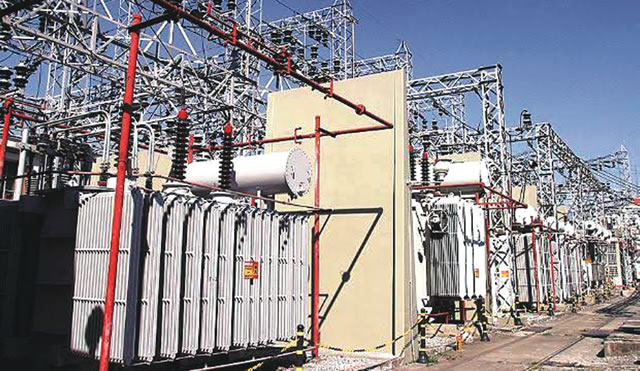
Governors from 19 northern states convened on Monday to address persistent blackouts affecting 17 states in the region. Only Niger and Kwara have maintained electricity supply over the past two weeks, with states like Kaduna, Kano, Jigawa, Gombe, and Katsina facing the most severe outages.
The disruptions are largely attributed to vandalism of the power transmission lines, severely impacting commercial activities. Gombe State Governor Muhammadu Yahaya, also the Chairman of the Northern States Governors’ Forum, led the joint meeting with the 18 other governors and traditional rulers in Kaduna State.
Notable attendees included Sultan of Sokoto Alhaji Sa’ad Abubakar III and other prominent monarchs. They urged the Federal Government to urgently address the blackout and invest in additional transmission lines to diversify energy supply.
A communiqué from the meeting, signed by Governor Yahaya, emphasized the need for immediate action to restore electricity. “This matter underscores the vulnerability of critical infrastructure and the necessity of building additional transmission lines,” it stated.
Presidential candidate Rabi’u Musa Kwankwaso expressed concern over the blackout, calling it “disheartening.” He urged governors to explore alternative power sources, highlighting the need for investment in renewable energy to alleviate reliance on the national grid.
President Bola Tinubu responded by directing the Minister of Power, Adebayo Adelabu, and relevant agencies to expedite efforts to restore electricity. He condemned the sabotage of power infrastructure and emphasized the need for security measures to protect repair crews.
The Federal Government has also announced plans to install solar plants in the 19 northern states, securing commitments from contractors to invest between $1 billion and $2 billion.
Adelabu acknowledged that restoring power may take a few more days due to ongoing security concerns. He reiterated the urgency of securing the necessary protection for repair teams and emphasized the need for upgrades to Nigeria’s aging power infrastructure.
Critics from various political parties attributed the outages to policy failures and called for more effective government action. In contrast, the ruling APC party defended the administration’s efforts, citing the recent disruptions as a result of vandalism rather than systemic failures.