
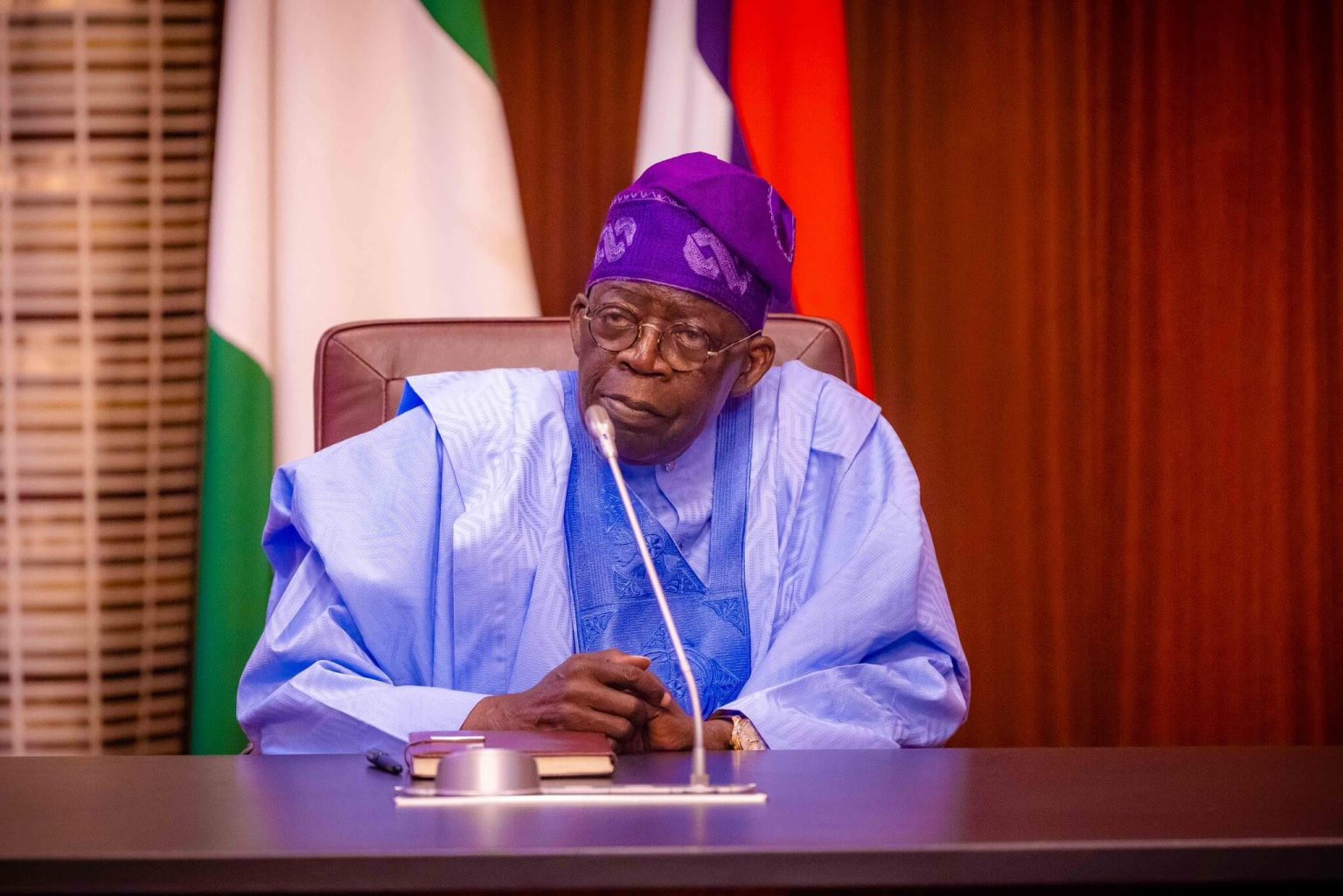
The National Assembly has raised concerns over President Bola Tinubu’s request for foreign loans despite significant revenue surpluses reported by key Federal Government agencies.
During an interactive session on the 2025-2027 Medium-Term Expenditure Framework and Fiscal Strategy Paper, revenue-generating agencies, including the Federal Inland Revenue Service (FIRS), the Nigerian National Petroleum Company Limited (NNPCL), and the Nigeria Customs Service, disclosed that they had exceeded their 2024 revenue targets.
Highlights from Revenue Reports:
- FIRS:
- Surpassed its 2024 Company Income Tax target, generating ₦5.7tn against the ₦4tn target.
- Realized ₦1.5tn in Education Tax against a target of ₦70bn.
- Total revenue collection reached ₦18.5tn by September, against a full-year target of ₦19.4tn.
- NNPCL:
- Generated ₦13.1tn by September, exceeding the ₦12.3tn target for 2024.
- Projects ₦23.7tn in revenue for the 2025 fiscal year.
- Customs Service:
- Collected ₦5.35tn as of September 30, surpassing its ₦5.09tn annual target.
- Targets ₦6.3tn revenue for 2025 with incremental increases for 2026 and 2027.
Legislative Pushback:
Lawmakers, led by Senator Adamu Aliero (PDP, Kebbi Central), questioned why the Federal Government continues to seek foreign loans when domestic revenue generation is robust.
Agency and Executive Responses:
- FIRS Chairman Zacch Adedeji clarified that borrowing was part of the approved budget appropriation by the National Assembly and intended to fund the deficit.
- Budget and Economic Planning Minister Atiku Bagudu emphasized that loans are critical to bridging the ₦9.7tn deficit in the ₦35.5tn 2024 budget.
- Finance Minister Wale Edun reiterated the need for loans to ensure proper funding, especially for productivity and social welfare for the vulnerable.
Controversial PPP Arrangement:
The Nigeria Immigration Service faced scrutiny for an unfavorable Public-Private Partnership (PPP) on passport production, where 70% of proceeds went to a private firm while the government retained only 30%.
Senator Sani Musa, Chairman of the Committee, ordered a review or cancellation of the PPP deal, describing it as exploitative and detrimental to national interest.
The session highlights growing concerns over fiscal transparency, debt sustainability, and effective use of public funds.