
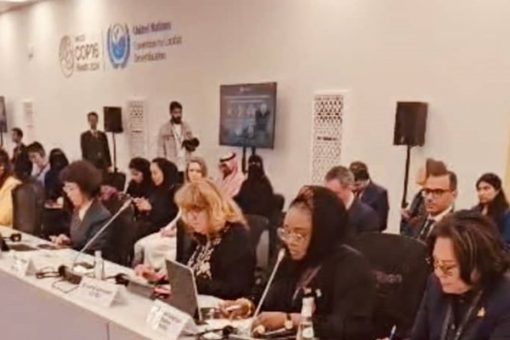
The Minister of Women Affairs, Hon. Imaan Sulaiman, has announced a strategic initiative to enhance women’s participation in climate action as a catalyst for innovative solutions to Nigeria’s environmental challenges.
Speaking at the United Nations Convention to Combat Desertification (UNCCD) COP16 in Riyadh, Sulaiman emphasized that empowering women is a proven strategy to bolster food security, family income, and community resilience. She outlined the ministry’s plans to integrate women into green economy programs aligned with President Bola Ahmed Tinubu’s Renewed Hope Agenda.
Key Initiatives Under the Green Economy Program
- Planting 10 Million Economic Trees: Women will be engaged in planting species like the Nopal Cactus Cladodes, known for its ability to combat desertification and improve soil fertility, fostering agricultural productivity.
- Transition to Clean Cooking Energy: Millions of households will be equipped to adopt clean cooking technologies, reducing environmental and health risks associated with traditional methods.
- Support for Female-Owned Startups: The program will back 1,000 female-led climate-friendly businesses, enhancing women’s economic empowerment.
- Training in Climate-Smart Agriculture: One million women will receive training in sustainable agricultural practices.
- Agro-Processing and Community Climate Advocacy: The ministry plans to train 500,000 women in agro-processing and equip 2,000 community-based female climate champions to raise awareness and collect data in vulnerable areas.
The Role of Women in Climate Action
Sulaiman underscored that women constitute over 50% of Nigeria’s population and are heavily involved in agricultural activities, positioning them as vital stakeholders in the fight against climate change.
“Investing in women is a sound investment. When women access credit, skills training, and resources, they make impactful contributions that enhance resilience and prosperity,” she said.
The ministry has also committed to establishing a Climate Division to drive gender-responsive, sustainable climate actions while collaborating with local and international stakeholders to ensure the program’s success.
A Call for Collaboration
Hon. Sulaiman expressed confidence in the program’s ability to improve millions of lives within three years, emphasizing the importance of partnerships with communities, donor bodies, NGOs, and international agencies.
She concluded by reiterating the government’s commitment to fostering a greener and more equitable future, with Nigerian women playing a central role in nourishing and safeguarding the environment for future generations.