
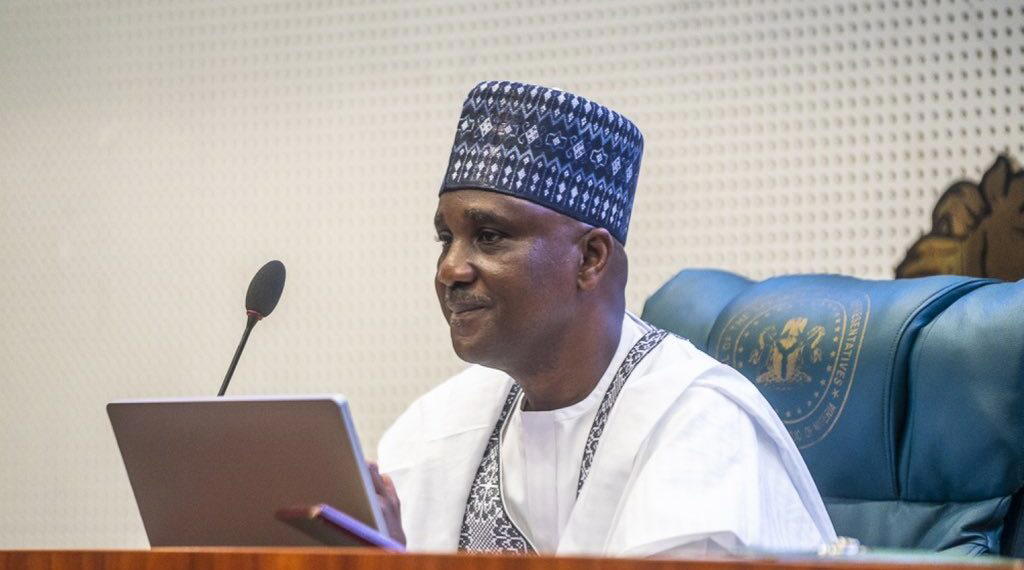
The Speaker of the House of Representatives, Hon. Abbas Tajudeen, has identified inadequate funding as a key obstacle to achieving local government autonomy in Nigeria. Speaking at the National Dialogue on Local Government Reform and Constitutional Amendment in Abuja, Abbas emphasized the urgent need for reforms to empower local governments to fulfill their responsibilities effectively.
Represented by Deputy Speaker Hon. Benjamin Okezie Kalu, Abbas explained that financial constraints severely limit the capacity of local governments to provide essential services like education, healthcare, and infrastructure.
“Local governments often operate on budgets that are insufficient to meet their responsibilities,” Abbas said. “This financial constraint limits their ability to deliver essential services such as education, healthcare, infrastructure development, and sanitation.”
Calls for Autonomy and Transparency
The Speaker highlighted the importance of granting local governments the autonomy necessary to address community-specific needs. However, he also acknowledged that corruption and mismanagement have historically undermined local government operations.
Senator Orji Uzor Kalu emphasized transparency in managing local government funds, noting that accountability is critical for effective governance.
“Local government councils handle responsibilities like primary health care, sanitation, and road construction. Accountability is critical. Every expenditure above ₦500,000 should be scrutinized to ensure funds are judiciously utilized,” Kalu said.
He also called for clearer delineation of responsibilities between state and local governments, citing primary school teachers’ salaries as an area of concern.
Addressing Constitutional Contradictions
Senator Adams Oshiomhole highlighted the constitutional challenges that leave local governments dependent on state assemblies despite being a distinct tier of government.
“Autonomy to do what? To misuse funds or to remain ineffective?” Oshiomhole questioned, underscoring the need for systemic changes in character and governance beyond mere legal reforms.
Coordinated Reforms Necessary
Deputy Speaker Benjamin Okezie Kalu, represented by House Majority Leader Professor Julius Ihonvbere, stressed the need for collaboration across all levels of government and civil society to achieve meaningful local government reform.
“Local governments, as the closest tier of government, are pivotal in delivering essential services and enhancing democratic participation,” Kalu said. “Achieving reforms requires collective efforts among federal and state governments, lawmakers, civil society, and local communities.”
Kalu proposed financial and administrative independence, backed by constitutional amendments, to empower local governments as effective partners in governance.
Path to Equitable Governance
The dialogue concluded with a call for urgent reforms to strengthen Nigeria’s local government system, promoting sustainable development and grassroots governance. Stakeholders reiterated the need for accountability, transparency, and adequate funding to unlock the potential of local government councils across the country.