
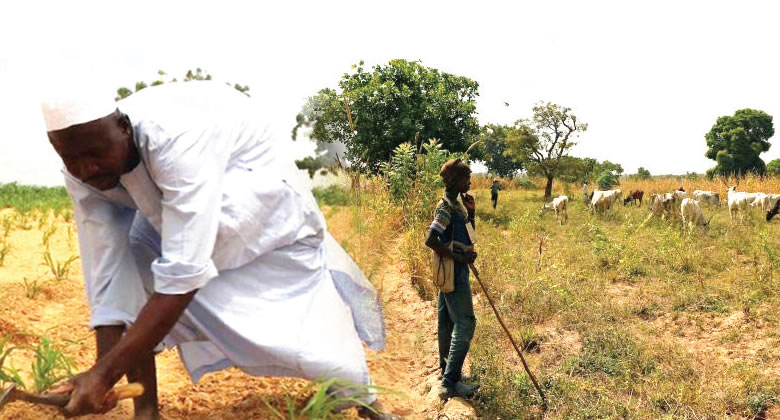
The Director General of the Institute of Peace and Conflict Resolution (IPCR), Dr. Joseph Ochogwu, has drawn attention to the growing crisis of farmer-herder clashes in Nigeria, attributing the intensification of these conflicts to the increasing struggle for survival and the worsening impact of climate change. Speaking at a national conference on farmer-herder relations held in Abuja, Ochogwu emphasized that the roots of these clashes are deeply embedded in a complex interplay of historical, environmental, economic, and socio-political factors.
During his address, Ochogwu underscored the critical role that climate change plays in exacerbating the situation. He explained that the erratic weather patterns, prolonged droughts, and unseasonal floods that have become more prevalent in recent years are not just minor inconveniences but are profoundly disrupting the agricultural and pastoral systems that both farmers and herders rely on. These environmental changes have intensified competition for increasingly scarce resources such as land, water, and grazing areas, leading to heightened tensions and conflicts between communities.
The farmer-herder crisis, particularly severe in Nigeria’s North-Central region, has persisted for over two decades, resulting in the tragic loss of more than 60,000 lives since 2001. Ochogwu highlighted that the economic instability in these rural areas, where most of the conflicts occur, further compounds the problem. These regions are often characterized by widespread poverty and a lack of essential infrastructure, which exacerbates the struggle for survival. As farmers and herders compete for limited resources, the economic pressures they face can lead to desperate actions, escalating the cycle of violence that has plagued the region.
Dr. Ochogwu also addressed the cultural dimensions of the conflict, mentioning the “Fulani code of conduct,” which is a cultural and ethical value system specific to the Fulani herders. He noted that understanding and respecting these cultural practices are crucial in addressing the underlying issues that fuel the clashes.
At the conference, Dr. Fatima Akilu, Executive Director of the Neem Foundation, highlighted the urgent need to explore and implement innovative conflict resolution mechanisms to address the ongoing farmer-herder clashes. She stressed the importance of establishing effective early warning systems, promoting equitable resource sharing, and integrating alternative dispute resolution methods as key strategies for preventing and mitigating conflicts. Dr. Akilu also pointed out the critical need to address the mental health impacts of these conflicts, ensuring that support systems are in place for those affected, which is essential for long-term healing and reconciliation.
The conference also referenced a significant government initiative aimed at addressing the root causes of the farmer-herder clashes. In February 2024, President Bola Tinubu announced the launch of the Pulaku Initiative, a large-scale resettlement program designed to tackle the underlying issues that lead to these conflicts. This initiative is expected to play a pivotal role in reducing the frequency and intensity of clashes between farmers and herders in various flashpoints across the country.
As the conference concluded, participants reiterated the need for a multi-faceted approach that includes environmental, economic, and cultural considerations in resolving the farmer-herder crisis that continues to threaten peace and stability in Nigeria.