
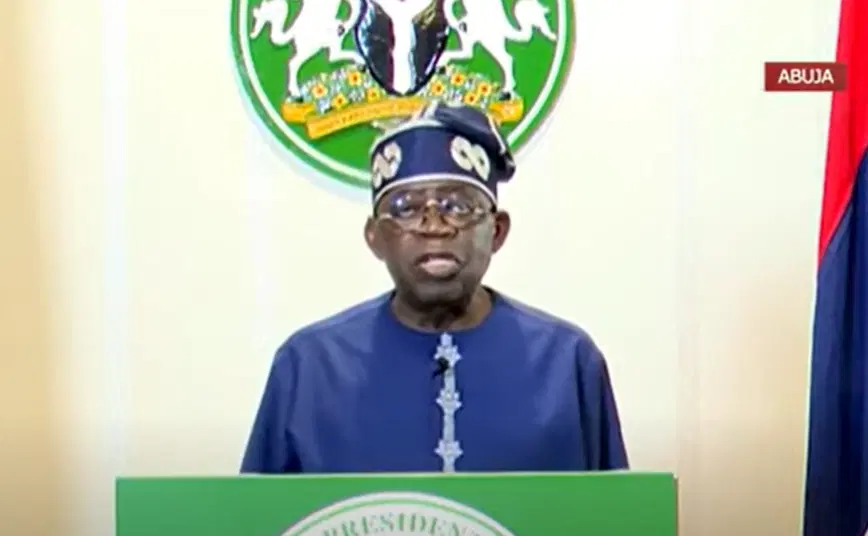
President Bola Tinubu has directed the Ministry of Justice to collaborate with the National Assembly to address concerns raised over the proposed tax reform bills. This comes after lawmakers raised questions regarding various aspects of the bills aimed at improving the nation’s tax administration system.
The Minister of Information and National Orientation, Mohammed Idris, made the announcement on Tuesday in a statement titled “President Tinubu Committed to Accountability on Tax Bills, Directs Ministry of Justice to Work with NASS on Concerns.” Idris affirmed that the Federal Government is open to meaningful inputs that may help clarify or resolve any grey areas in the proposed tax legislation.
The tax reform bills, which were approved by the Federal Executive Council in October, include the Nigeria Tax Bill 2024, the Nigeria Tax Administration Bill, the Nigeria Revenue Service (Establishment) Bill, and the Joint Revenue Board (Establishment) Bill. These bills aim to consolidate existing tax laws, enhance administrative frameworks, and create new institutions like the Tax Appeal Tribunal and the Office of the Tax Ombudsman.
In defense of the reforms, the Presidency dismissed claims that the bills favor certain regions, specifically Lagos and Rivers states, at the expense of northern states. A statement issued on Monday clarified that the reforms are designed to benefit all regions equally, without impoverishing any state. Idris urged all stakeholders to engage in a fact-based, respectful discussion, free from ethnic or regional bias.
The Federal Government welcomed the ongoing nationwide debate, describing it as a reflection of the democratic process. The reforms are expected to empower local governments and enable increased revenue generation without imposing new tax burdens. Additionally, the reforms align with the 2023 Supreme Court ruling on financial autonomy for local governments, positioning them for sustainable growth and development.
The administration emphasized that the resources saved through these reforms would be reinvested in vital infrastructure sectors like healthcare, education, and transportation, as well as social programs to ensure inclusive development for all Nigerians.
The tax reforms are seen as a key part of the Tinubu administration’s broader “Renewed Hope” agenda, which aims to close financial loopholes and direct public resources toward critical national priorities.