
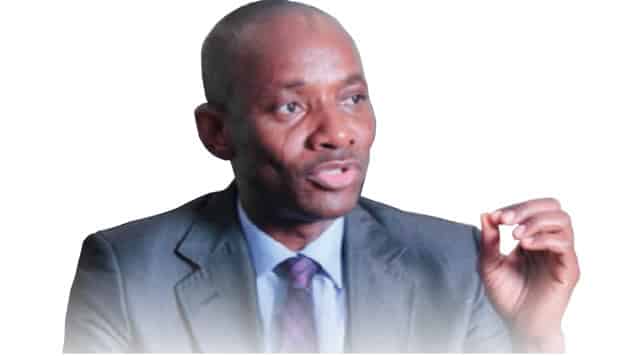
Abuja, Nigeria – Sam Amadi, the Director of the Abuja School of Social and Political Thoughts, has expressed serious concerns regarding the credibility of Nigeria’s electoral process, calling for major reforms of the Independent National Electoral Commission (INEC). Amadi stressed that any presidential aspirant for the 2027 elections who is not focused on addressing INEC’s shortcomings is not fully committed to the country’s democratic future.
Post-Edo Election Criticism
Amadi’s comments came on the heels of the announcement by INEC that Monday Okpebholo of the All Progressives Congress (APC) won the Edo State governorship election. The election outcome, which has been contested by opposition parties, brought renewed scrutiny to INEC’s operations, leading Amadi to take to X (formerly Twitter) to express his discontent.
“Anyone thinking of being the President of Nigeria in 2027 and not thinking of disbanding this @inecnigeria is not serious,” Amadi posted, signaling his belief that reforming INEC should be a top priority for future presidential candidates.
PDP Alleges Election Manipulation
Amadi’s sentiments echo the frustrations of the opposition Peoples Democratic Party (PDP), which has rejected the results of the Edo State election. Tony Iyoha, the PDP’s state collation agent, accused INEC of delaying the release of results from the Oredo and Ikpoba-Okha local councils, alleging that these delays were part of efforts to manipulate the final vote count in favor of the APC.
The PDP’s rejection of the election results is part of a broader critique of INEC’s conduct in recent elections, where opposition parties have repeatedly raised concerns over transparency and the fairness of the voting process.
Call for Electoral Reform
Amadi, who previously served as the Chief Executive Officer of the Nigerian Electricity Regulatory Commission (NERC), has long advocated for reforms in Nigeria’s electoral framework. His recent remarks follow a pattern of criticism toward both INEC and political figures. He has notably called out key political leaders, such as Atiku Abubakar of the PDP and Peter Obi of the Labour Party, for failing to take meaningful steps toward reforming the electoral system.
According to Amadi, these leaders had the opportunity to initiate changes that could improve the integrity of Nigeria’s elections but have largely neglected the issue. He emphasized that without addressing the structural and cultural issues surrounding election management, Nigeria risks further democratic backsliding.
Future of Electoral Politics in Nigeria
Amadi’s public remarks have added weight to growing calls for reforming INEC, as the credibility of the commission remains a contentious issue in Nigerian politics. With the 2027 presidential elections on the horizon, pressure is building for political leaders to address these concerns and implement changes that will restore public trust in the electoral process.
Political analysts suggest that electoral reform could become a key talking point in the lead-up to 2027, as many Nigerians continue to demand more transparency and accountability in how elections are conducted. Amadi’s call for serious consideration of these issues underscores the urgent need for change in the country’s democratic practices.
As the debate intensifies, all eyes will be on Nigeria’s political landscape to see whether any meaningful actions will be taken to reform the nation’s election management systems and ensure free, fair, and credible elections in the future.