
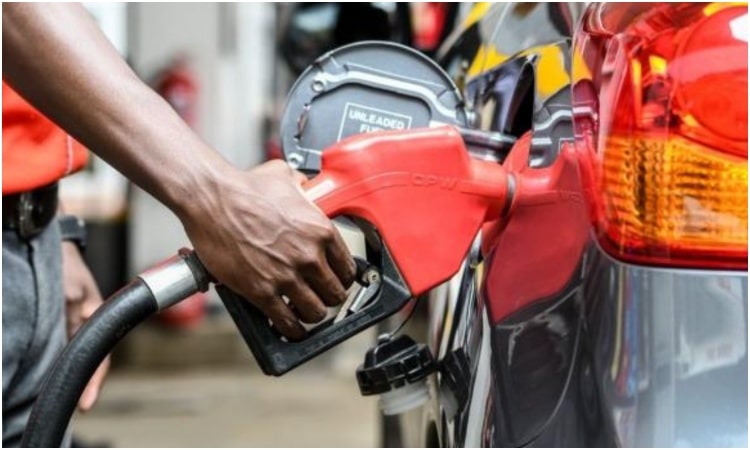
Nigerians continue to grapple with fuel scarcity, which has worsened in recent weeks. Oil marketers have attributed the persistent shortage of Premium Motor Spirit (PMS) to significant logistical challenges. Billy Gillis-Harry, the President of the Petroleum Products Retail Outlets Owners Association of Nigeria (PETROAN), discussed the situation during an appearance on Channels Television’s Morning Brief on Monday, providing insights into the root cause of the scarcity.
Gillis-Harry explained that oil marketers are facing supply constraints, which have hindered the distribution of fuel across the country. The key issue, he noted, lies in the process of ship-to-ship transfer, which has caused delays in the supply chain. He emphasized that until a ship has received its cargo, it cannot deliver to depots, and consequently, retailers cannot access the fuel they need to distribute.
“I think until we get our supply challenges sorted out efficiently and abundantly, we will not be able to get out of this circle,” Gillis-Harry stated. He further highlighted that the Nigerian National Petroleum Company Limited (NNPCL) is doing its best to bring in products gradually, but the supply remains limited.
The logistical challenges mentioned by Gillis-Harry involve the transfer of fuel from one ship to another, which has caused delays in getting products to depots. This has resulted in a bottleneck, with retailers unable to access sufficient fuel for distribution. Despite these challenges, Gillis-Harry assured the public that oil marketers are in talks with NNPCL to address the supply issues.
He added, “We have been speaking with NNPCL. We encourage them to do more, and I can assure you that they are trying their best.”
The fuel scarcity, which initially affected the northern regions, has now spread to the Federal Capital Territory, Lagos, and other states. Over the weekend, reports emerged that the price of petrol had skyrocketed to between ₦800 and ₦1,000 per litre at some filling stations, leading to a sharp increase in transportation costs. Meanwhile, some filling stations have halted sales, while black market operators have taken advantage of the situation to sell fuel at inflated prices.
The scarcity has also been linked to debt incurred by NNPCL to international oil traders. However, on Sunday, the Chief Corporate Communications Officer of NNPCL, Olufemi Soneye, refuted these claims. Soneye acknowledged that it is common for businesses in the oil trading industry to incur debts due to the nature of transactions, which are often conducted on credit. He assured the public that NNPCL is paying off its obligations on a first-in, first-out (FIFO) basis through its subsidiary, NNPC Trading.
As Nigerians continue to face the impact of the fuel scarcity, oil marketers and NNPCL are working to resolve the logistical challenges that have contributed to the ongoing crisis. However, it remains unclear when the situation will stabilize, leaving the public to manage with the limited supply available.