
President Bola Ahmed Tinubu’s diplomatic travels have become a central focus of Nigeria’s foreign policy as he embarks on signing numerous trade agreements aimed at bolstering the country’s economy. In just 18 months, Tinubu has visited 18 countries, striking deals that he hopes will revitalize Nigeria’s ailing economic sectors. However, critics argue that these agreements are unlikely to bring substantial benefits, as they often come with few tangible results for the average Nigerian.
One of the most recent deals includes a $1.2 billion cooperative agreement with Brazil to modernize Nigeria’s agriculture, signed during the G20 summit in November 2024. However, while the Nigerian government is eager to present these agreements as a means of securing a prosperous future, the country continues to face significant challenges at home, including widespread poverty, a high unemployment rate, and a burgeoning population of out-of-school children.
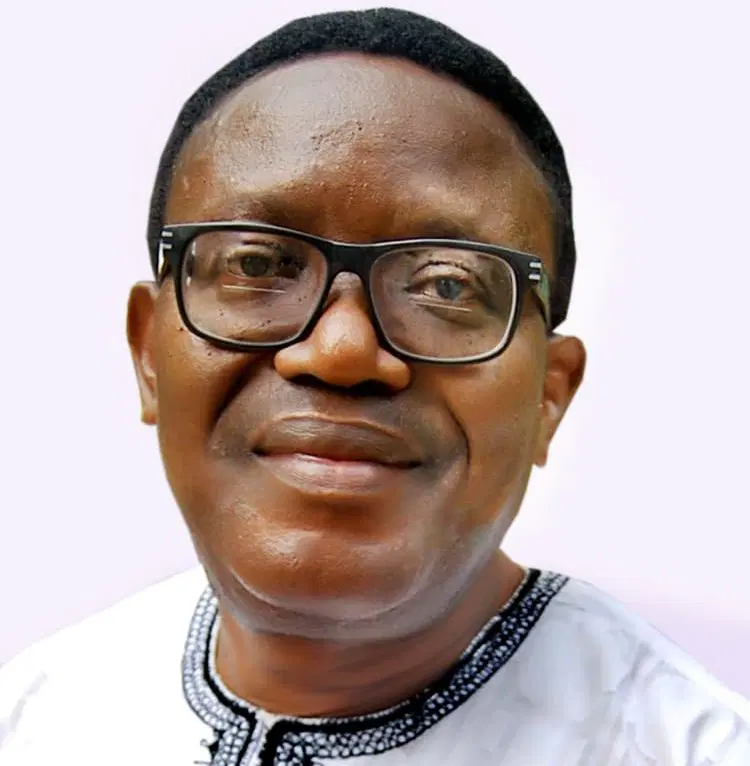
At the core of the issue is Nigeria’s heavy reliance on oil exports, with little focus on diversifying its economy. Ambassador Joe Keshi, President of the Association of Retired Career Ambassadors of Nigeria, expressed concerns during a recent trade meeting, pointing out that while other countries like Australia, Turkey, and South Korea have made significant strides in the last few decades, Nigeria has failed to capitalize on its potential.
In addition to economic concerns, the growing influence of foreign powers like France also raises questions about the true intentions behind these agreements. France, which has historically exploited African countries, including Nigeria, is accused of double-dealing with terrorist groups, and critics warn that its increasing military presence in Africa could signal ulterior motives.
As Nigeria continues to sign trade deals, many question whether these agreements will truly benefit the country or if they are merely part of a larger geopolitical game. Experts suggest that the real solutions to Nigeria’s economic challenges lie in investing in human capital, fostering local industries, and focusing on sustainable development that prioritizes the needs of the Nigerian people over external interests.