
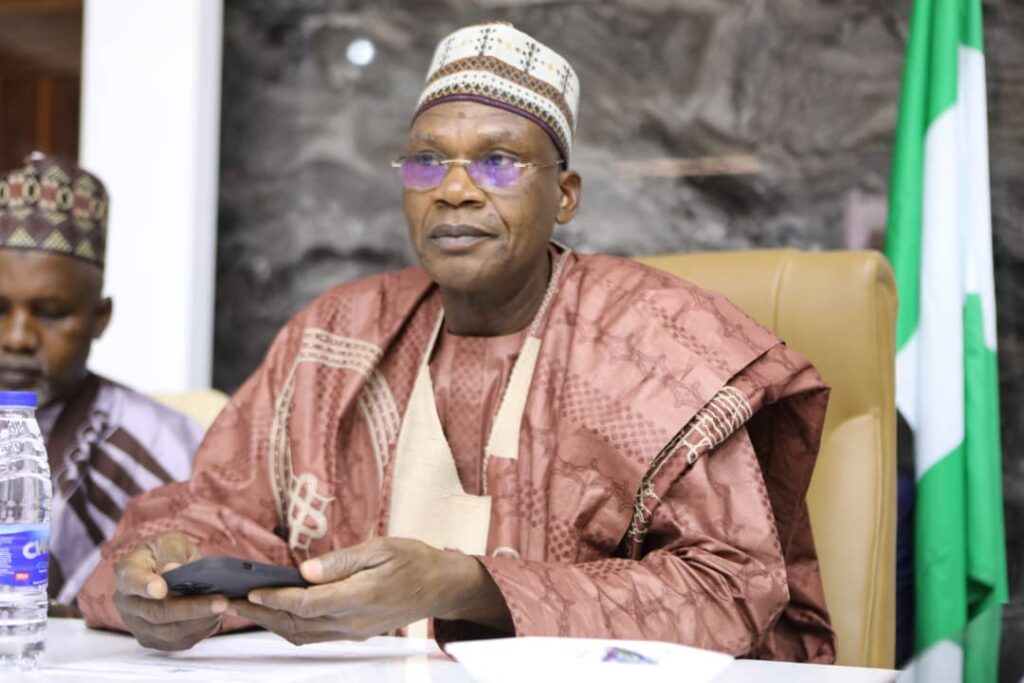
The Minister of Education, Prof. Tahir Mamman, announced the implementation of a new skill-oriented curriculum for basic schools across Nigeria, set to take effect in January 2025. This initiative aims to equip students with practical skills to enhance their future employability and self-sufficiency.
During a meeting with stakeholders in Abuja, Mamman emphasized that under the new curriculum, all pupils in basic schools must acquire at least two skills. He stated, “By the time children finish school, they should have at least two skills. Students should graduate with skills that enable them to lead productive lives.”
Mamman noted that private primary schools are also required to adopt this new curriculum, which is based on the approved National Skills Framework. He explained that the project will apply to all public and private institutions in Nigeria. “This initiative affects all schools, and no institution can depart from it,” he added.
To ensure a smooth rollout, the minister acknowledged that schools may need time to prepare. He said, “We do not expect comprehensive, full implementation from January. There will be a lot of preparation that schools must undertake, including acquiring new resources and equipment.”
The minister also outlined plans to support teachers as they adapt to the new curriculum. He highlighted the importance of teacher development, stating, “We are working on support and training for teachers so they can effectively implement this curriculum.”
Mamman expressed confidence that the new curriculum would reignite parents’ and students’ desire for formal education. He pointed out that many parents hesitate to send their children to school because graduates often struggle to find jobs or become self-sufficient. He remarked, “This curriculum will change that narrative, making education more attractive. We expect students to want to attend school and parents to enroll their children because they will learn practical skills.”
The Director of Curriculum Development Centre at the Nigerian Educational Research and Development Council also shared his enthusiasm for the initiative. He expressed that this moment is significant for Nigeria, noting, “We have sought a new curriculum for the past 12 years. This initiative will help train our children to be skill-oriented and globally competitive.”
He further emphasized that the curriculum aligns with the STEM initiative—covering science, technology, engineering, arts, and mathematics—and incorporates essential digital literacy components. “This ensures that our children are prepared for the challenges of the modern world,” he concluded.