
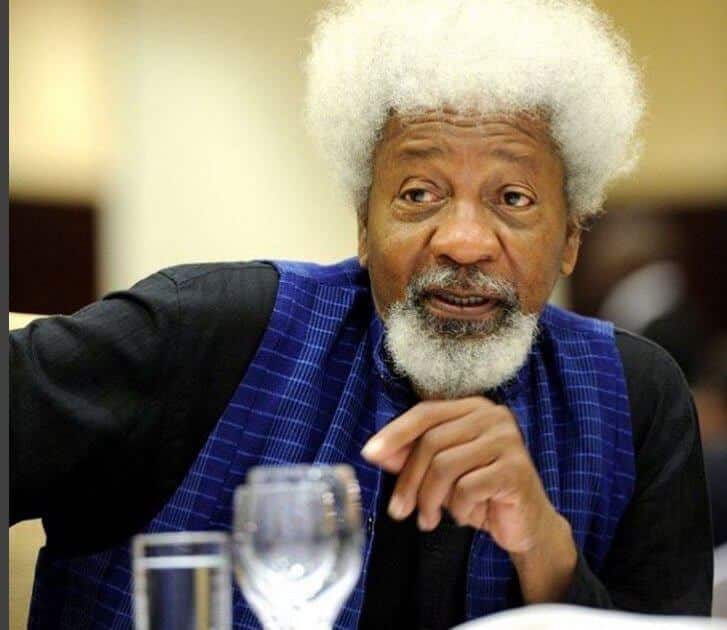
Nobel Laureate Professor Wole Soyinka, the first sub-Saharan African to win the Nobel Prize in Literature, has revealed how the award increased the dangers he faced due to his political activism in Nigeria. In a recent interview with CNN’s Larry Madowo, Soyinka reflected on the unintended consequences of the 1986 accolade, including intensified isolation and risks to his safety.
Soyinka, renowned for his cultural insight and poetic writing, explained that the recognition came with heightened demands and exposure. He stated, “I felt isolated when I won the Nobel Laureate and much relieved when another African won it. My constituency expanded overnight simply because I’m from Africa, which also exposed me to greater danger.”
His firm stance on political issues in Nigeria, particularly during the military dictatorship of General Sani Abacha, placed him at odds with the regime. Soyinka noted that Abacha’s hostility toward him reached dangerous levels: “Abacha would have gone to his grave a happy man if he had hanged a Nobel laureate. Instead, he had to settle for hanging an activist and writer, Ken Saro-Wiwa.”
Soyinka managed to escape Abacha’s regime in a daring move by crossing the Benin border on a motorcycle, after Abacha had sentenced him to death in absentia. Soyinka only returned to Nigeria in 1999 after democracy was restored.
Reflecting on his personal life, the 90-year-old laureate shared that he views birthdays as trivial. “I don’t feel 90. Birthdays don’t appeal to me much. I usually disappear into the forest on my birthdays—that’s how I prefer to spend them,” he revealed.